
For decades, athletes have iced sore muscles, swallowed ibuprofen after long workouts, and chased every sign of post-exercise inflammation out of the body as fast as possible. The thinking was simple: inflammation hurts, and getting rid of pain means getting back to training sooner. But over the past several years, a clearer picture has emerged from the research, and it points the other way.
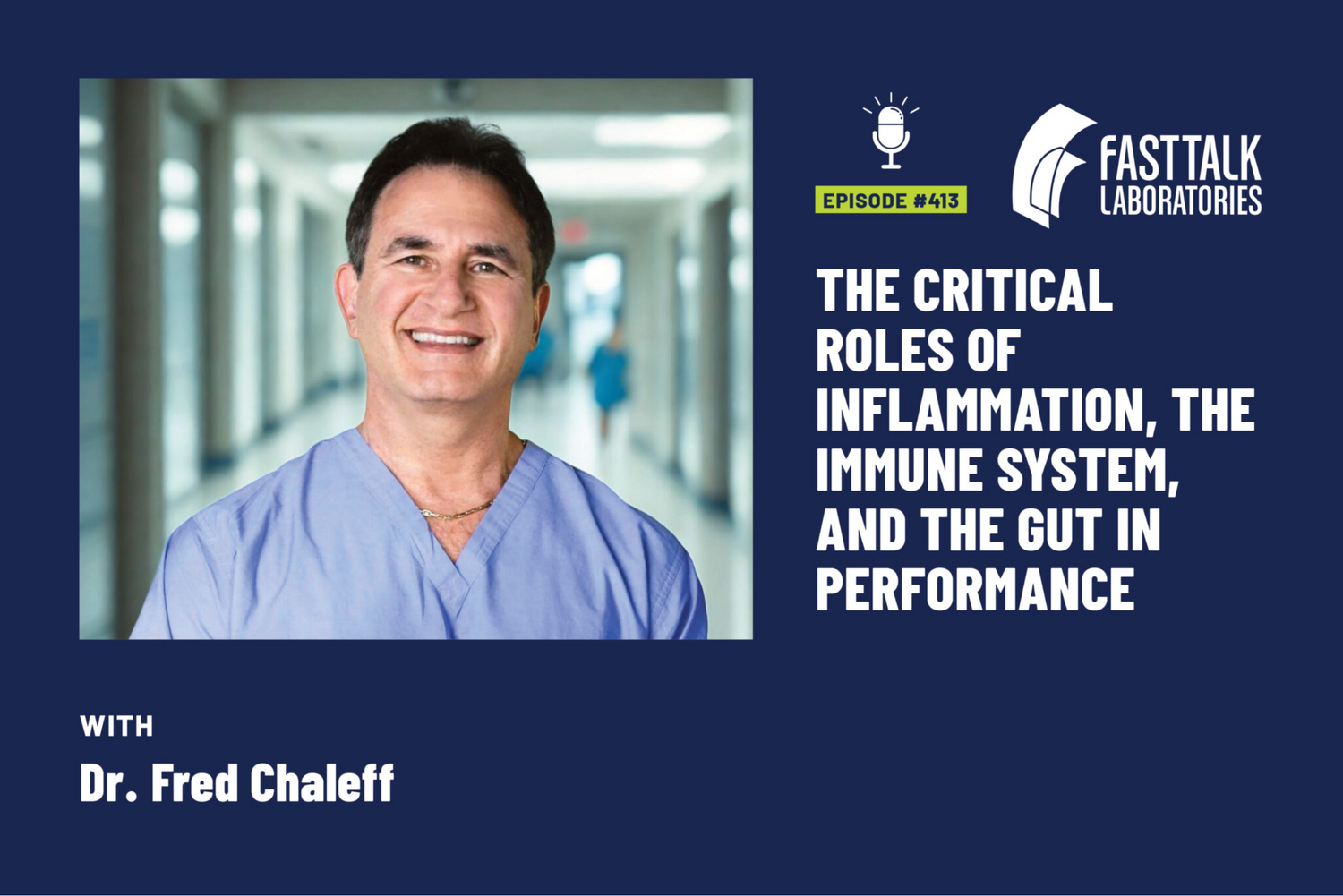
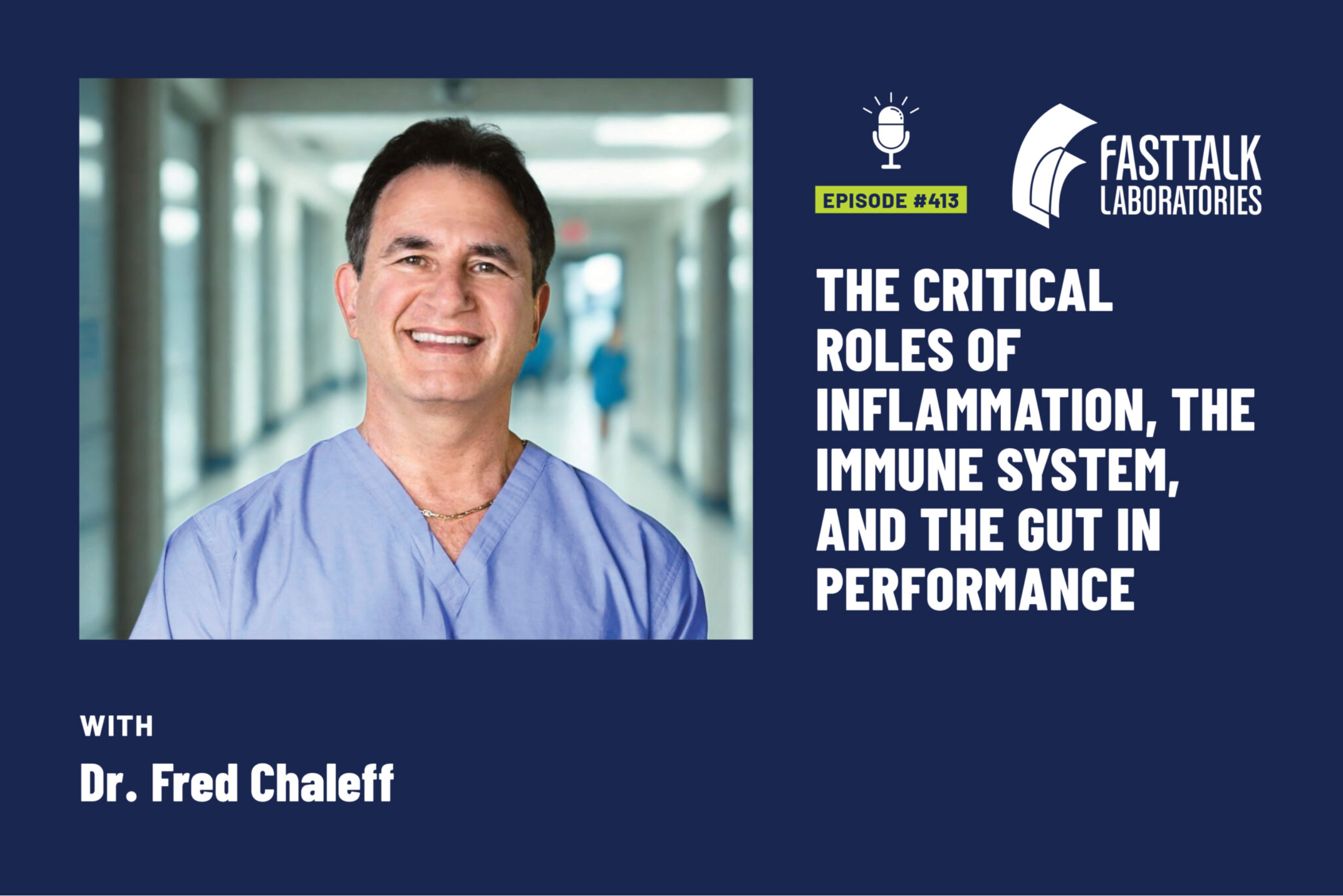
As Scimera founder Dr. Fred Chaleff, an interventional cardiologist, recently explained on the Fast Talk Labs podcast, suppressing post-exercise inflammation can interfere with the very process that makes training work in the first place.
"If you mitigate or prevent this inflammation from occurring, you’re not going to build."
That single sentence reframes how to think about post-workout soreness.
What inflammation actually does after a workout
When you exercise, you create microscopic tears in muscle tissue. This is the point of training. The body’s response to those tears — what we call inflammation — is what triggers the repair process. White blood cells move into the damaged area. Signaling proteins called myokines are released directly from the muscle, including IL-6 (which acts as the muscle’s natural antiinflammatory) and BDNF, brain-derived neurotrophic factor, which helps maintain neuromuscular connections and stimulates the growth of new blood vessels to feed the rebuilt tissue.
Without that inflammatory response, none of this happens. The microscopic tears remain. The muscle does not adapt. The training stimulus is wasted.
The NSAID and ice problem
This is why recent research has consistently shown that anti-inflammatory drugs like ibuprofen and naproxen — taken routinely after exercise — appear to blunt training adaptations. Icing protocols designed to suppress post-workout inflammation have produced similar findings. The very response these interventions are designed to shut down is the response the body needs in order to grow stronger.
Dr. Chaleff is direct on this point. People want to be able to exercise the next day, so they take an anti-inflammatory to feel better and head back out. “That’s actually counterproductive,” he said.
There is a second concern. Anti-inflammatory medications are known to increase intestinal permeability — a phenomenon often called “leaky gut” — which can release bacterial fragments into the bloodstream and produce the kind of low-grade systemic inflammation that does interfere with recovery and immune function. So the irony is sharp: taking NSAIDs to control local inflammation may create a different, more damaging form of it.
Where the line is
None of this means inflammation is always good. Dr. Chaleff is equally clear that inflammation can become destructive when it gets out of hand — when it shifts from a localized repair signal to a systemic immune response. The goal is balance: enough tissue damage to trigger adaptation, enough recovery time to let the inflammation resolve before you train again.
For most people, that means a few simple practices. Treat soreness as feedback, not a problem to medicate away — a day of muscle stiffness after a hard session is part of the adaptation curve. Reserve anti-inflammatories for actual injury or non-training pain, not for routine post-exercise discomfort. And allow real recovery between hard sessions; the inflammatory and repair processes typically need a day or two to run their course.
The bigger picture
A healthy training response depends on a healthy inflammatory response, which in turn depends on a healthy gut and immune system. The three are linked. We will dig into that link in upcoming posts on the gut–immune connection and what it means for everyday fitness.
For now, the takeaway is simple: when your muscles are sore the day after a hard workout, that soreness is a sign your body is doing exactly what you trained it to do. Let it.
This post draws on a conversation between Scimera founder Dr. Fred Chaleff, host Trevor Connor, and co-host Chris Case on the Fast Talk Labs podcast. Listen to the full episode: The Critical Roles of Inflammation, the Immune System, and the Gut in Performance.

Leave a comment
This site is protected by hCaptcha and the hCaptcha Privacy Policy and Terms of Service apply.