
Walk through any pharmacy and the immune-support shelf is dominated by familiar names: vitamin C, zinc, elderberry, echinacea. Beta-glucans rarely appear, despite a body of clinical research that — for one specific form of the molecule — is more developed than for most of the products on either side of it.
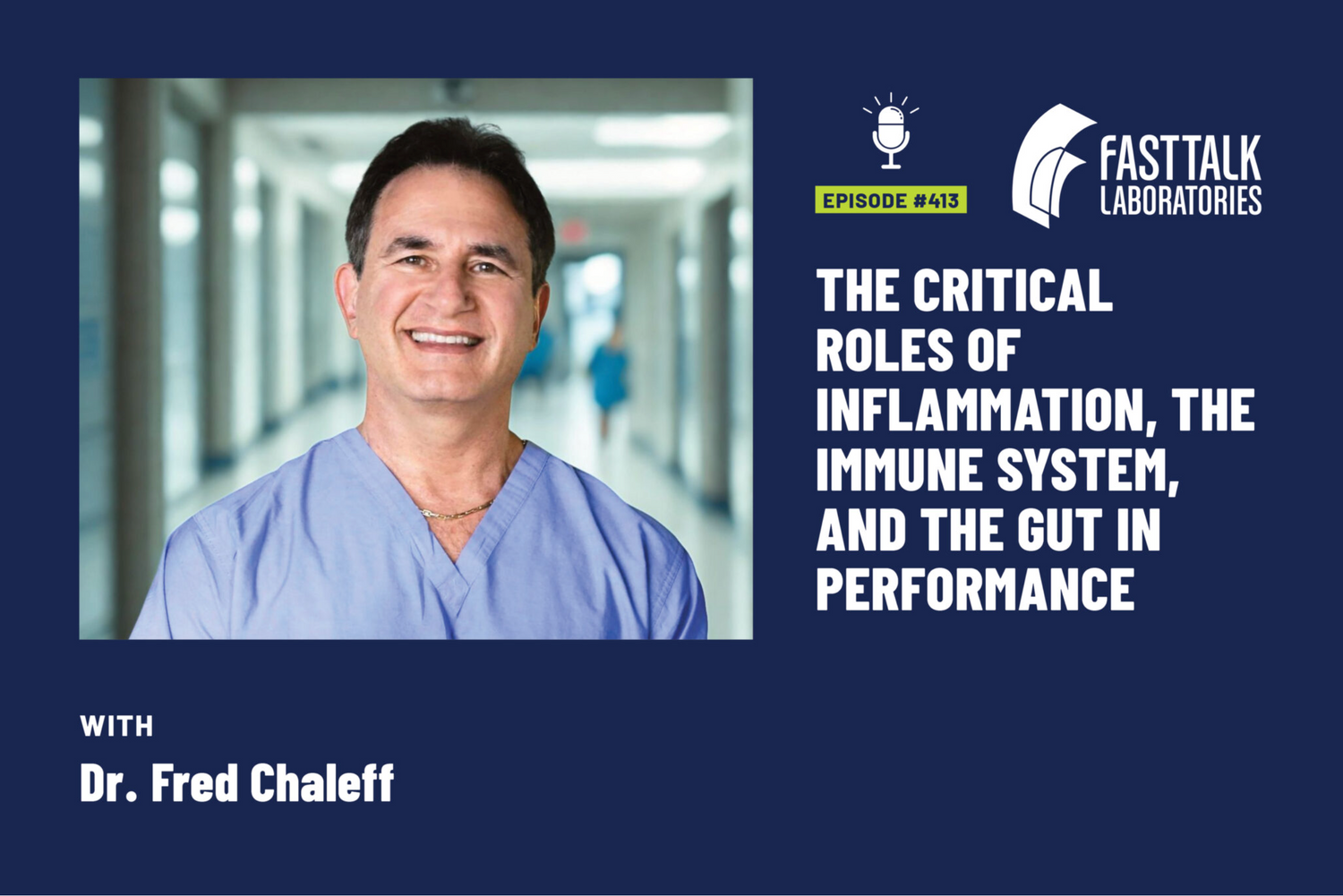
Scimera founder Dr. Fred Chaleff, an interventional cardiologist, walked through the science on a recent appearance on the Fast Talk Labs podcast. The summary is short: not all beta-glucans are the same, and the difference between them matters more than most people realize.
Two molecules with the same name
Beta-glucans are a family of polysaccharides — long-chain sugars — found in plants, fungi, yeast, and some bacteria. The structure that gives a beta-glucan its biological activity depends on how its sugar molecules are linked to each other.
The beta-glucan in oats is a 1,3/1,4 structure. It has a real, well-documented effect on cholesterol and is the basis for most “heart-healthy” oat marketing. It does not stimulate the immune system in any meaningful way.
The beta-glucan in baker’s yeast and certain mushrooms is a 1,3/1,6 structure. It does. The two molecules are chemically related but functionally different.
How 1,3/1,6 beta-glucan works
The 1,3/1,6 structure has a repeating molecular pattern that the human immune system recognizes — specifically, a pattern that resembles lipopolysaccharide (LPS), the molecule found on the surface of certain bacteria. LPS is one of the strongest immune triggers known. When the body sees it, alarms go off and the innate immune system mobilizes.
When you ingest 1,3/1,6 beta-glucan, the immune system reads it the same way. The result is what researchers call “priming”: the innate immune system enters a heightened state of readiness. If a real pathogen shows up in the next several days, the response is faster and more efficient than it would otherwise be.
This sounds like it should be a problem. Persistent immune activation is associated with chronic inflammation, autoimmune disease, and other downstream issues. The thing that makes 1,3/1,6 beta-glucan interesting is that it appears to activate the innate arm of the immune system — the fast, general-purpose first response — without driving up the adaptive arm, which is responsible for the chronic, T-cell-mediated patterns that cause those problems.
A recent study on Saccharomyces cerevisiae-derived beta-glucan specifically looked at the Thelper cytokine profile after supplementation. Innate immune activation went up. Th1, a normal pathogen-fighting branch of the adaptive system, went up. Th17 — the inflammatory T-cell subtype that has been linked to autoimmune disease and several cancers — did not.
What it does in practice
In published trials, endurance athletes who took 1,3/1,6 beta-glucan reported fewer upper respiratory infections, faster recovery when they did get sick, lower peak fever scores, and milder symptoms overall. The same molecule has been incorporated into infant formula in parts of Europe to help support immune development. Oncology researchers are exploring it as an adjunct for patients whose immune systems are compromised by chemotherapy.
This is an unusually broad portfolio of applications for a single ingredient — and it lines up with what the mechanism predicts. Priming the innate immune system is useful in any context where the body benefits from being able to respond faster to a threat.
What this means for you
For people who train regularly and find they catch more colds than they would like, particularly during travel or convention season, 1,3/1,6 beta-glucan is one of the better-supported interventions available. It is not a substitute for sleep, nutrition, or sensible training load — those remain the foundation. But within that foundation, it does something measurable.
Scimera’s immune-support product is built around 1,3/1,6 beta-glucan because that is what the research supports. Oat beta-glucan is a fine ingredient for the purpose it serves; it is just not this purpose. When you are evaluating an immune product, the molecular form is the question to ask first.
This post draws on a conversation between Scimera founder Dr. Fred Chaleff, host Trevor Connor, and co-host Chris Case on the Fast Talk Labs podcast. Listen to the full episode: The Critical Roles of Inflammation, the Immune System, and the Gut in Performance.

Leave a comment
This site is protected by hCaptcha and the hCaptcha Privacy Policy and Terms of Service apply.